Posts

Showing posts with the label Cameron Fuller

Improve Your Children’s Smile!

Image
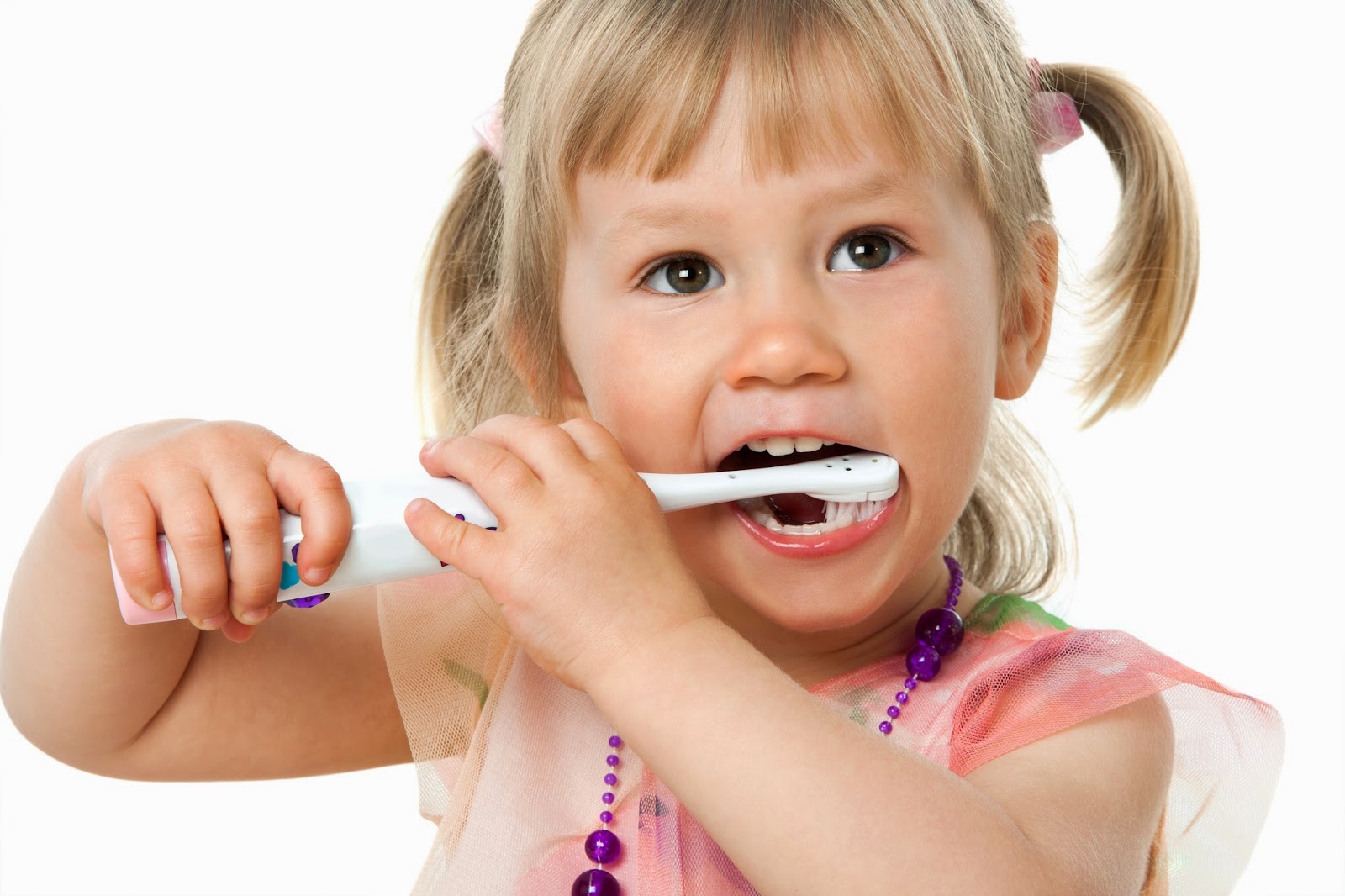
Whether your child is 4 or 17 they still need your guidance. Helping to support their dental habits can ensure they have the smile that will last a lifetime.. The dental habits they develop as a kid will be the habits that follow them for lifetime. Here are 5 ways you can help improve your children’s smile. 1.      Have them pick out their own toothbrush, toothpaste and floss. This is a great way to keep them invested in their smile. 2.      Provide them healthy food options. Eating high levels of carbohydrates can cause dental problems while enjoying fruits and vegetables can remove food from their teeth in between brushing and flossing sessions. 3.      Taking them to the dentist 2x a year. It is important to not skip dental visits. 4.      Get problems fixed immediately. If their gums are bleeding, schedule that dental appointment. If they have a cracked, broken or decay...

3 Facts You May Not Know About Teeth

Image
Everyone’s teeth are as unique as their fingerprints. These differences help identify who you are. Here are three facts about your child’s teeth you may not have known. Dr. Fuller says, “The more you are educated about your child’s smile, the better you can help your child take care of it.” There are twenty primary, or baby, teeth in your child’s mouth by the age of three. After the first tooth erupts you will want to schedule that appointment to the dentist in order to double check and make sure everything is okay with their smile. Your baby’s mouth will produce 25, 000 quarts of salvia in a lifetime. Saliva is important in order to keep the mouth healthy. Bacteria thrive on bacteria, and the more there is, the higher rate of decay and problems that can occur.   In order to help keep saliva flowing, you may want to pack foods in their lunch box that are high in water concentration, especially on warm days. “Flossing one time a day means abo...

7 Ways To Support Your Child's Dental Needs

Your son’s dental needs are critical and in order to help them establish healthy habits, here are seven tips to supporting their needs.  Find a dentist you can trust We understand as parents ourselves no one wants to take their child to a dentist they can’t trust. Spend time establishing a solid relationship with the pediatric dentist and his team to ensure you feel comfortable with them.  2. Ask questions There are no stupid questions when it comes to the health and well-being of your child. Ask away and we’ll be sure to answer.      3. Choose fruits and veggies for snacks. They not only help the body, but they also help to create a healthy white smile for your child.  Check your numbering – it’s off.     4. Choose water Water helps rinse leftover food off the surface of teeth. The sooner they can remove the food, the better. Food that remains on the surface of the teeth t...

What Type Of X-Rays Will Be Used On My Child?

Depending on the level of decay that your child has or the amount of cavities will depend on how often and what type of x-rays will be used for your child. Dental x-rays are taken in order for Dr. Fuller to see everything that is going on in your child’s mouth below the gum line. A panoramic x-ray is the one where they will sit in a big chair or stand and pictures are taken of the whole mouth. They show all of the teeth in one shot. They also show the bone structure in the jaw, the sinuses above the upper teeth, as well as the temporomandibular joints.   This type of x-ray does not place anything in your child’s mouth. A panoramic x-ray may also be recommended if they have injury to their face, in order to get a full picture of any damage that may have been done. Another type of x-ray that may be recommended for your child is called bitewing x-rays.   This type of x-ray is usually not recommended until your child’s back molars have erupted. B...

Out With The Old & In With The New

Image
Why you should change out your child’s toothbrush every three months We’re all busy and your pediatric dentist, Dr. Cameron Fuller understands that as well as anybody. However, it is critical he states, “For you to change out your child’s toothbrush around every three months.” A toothbrushe’s job is difficult and studies show that day after day, two times a day brushing breaks down the bristles after just three months. Without the effectiveness of bristles, the important job of keeping bacteria and decay away from your son’s gums becomes more difficult. As your child moves the toothbrush back and forth in their mouth reaching in all of the crevasses and behind the molars, the bristle’s material begins to break down. You can see that eventually the bristles fall out of the toothbrush from wear or they open up and are no longer tight together. Once a toothbrush no longer has bristles that are close together, it leaves gaps when you are brushing your teeth. Each ...

What Is IV Sedation And How Is It Used In Pediatric Dentistry?

Image
Intravenous sedation is a mild sedation that is used to help your child be comfortable during dental procedures.   It can be used when your child is going to undergo a longer procedure, is fearful of the dentist, or has a difficult time staying still for long periods of time.   Although this type of sedation is not used often, it can safely be utilized to help provide the best possible dental care for your child. IV sedation is different than other types of sedation that may be used in that a needle is inserted in the vein. The dosage can be distributed in two different ways: a   high enough dosage can be given slowly in order to provide enough mediation during the entire procedure, or in a continuous amount throughout the entire procedure. There are requirements before this type of sedation is given. Once the proper dosage has been given to your child, pediatric dentist Dr. Cameron Fuller will continue to monitor your child’s heart rate, blood pre...

Dental Insurance in California

Image
 Half the battle with insurance is knowing what your insurance will cover and won’t cover. Routine, preventative check-ups are usually covered for children.   Most plans cover cleanings, x-rays and a portion of other treatments. While insurance can be a tricky game of elusive information, it is important that you understand what is and is not a benefit of your dental insurance. Dental insurance works very similar to your medical benefits. For a premium you are entitled to particular benefits. You may also have dentists that are inside and outside of your network. Before scheduling an appointment with a pediatric dentist for your child, if you are concerned about maximizing your benefits,   you may want to check to see if the office accepts your insurance. While this process can be long and frustrating, taking some extra time before the appointment to verify information can save you from trouble later on. Pediatric Dentist Cameron Fuller, suggests, “Hav...

A gap between the teeth

Image
When your baby’s teeth first begin to come in and you notice that gap between their teeth when they smile, the family may coo that it’s cute. "However, it is very important that if your child has a gap in their teeth due to a maxillary frenum, or another reason, that it be corrected," says pediatric dentist Dr. Cameron Fuller. Your child’s education, speech and self-confidence is dependent upon it being corrected at an early age.             As your child gets older they are working on saying certain sounds. Children who are younger than five should be developing the ability to say all of the sounds. After five if these sounds are not solidified it will make it much more difficult for them to learn to correctly speak. “And by age seven if the sounds are not correct they run the risk of never being able to say them correctly,” says Dr. Cameron Fuller . By age five and six your child should be able to say th...

Maxillary Frenum and Sleep

Image
                       A maxillary frenum has an indirect effect on your babies’ ability to sleep. Newborn to six months old your baby needs about sixteen to twenty hours of sleep per day.   They should be waking about every two hours to eat. By six months they should be sleeping about ten to twelve hours and then be awake to eat. Babies who are impacted by a maxillary frenum or tongue-tie, a thicker piece of skin attaching their gums to the inside of the lip or a piece of skin between their two front teeth may be eating less. An incorrect latch onto the breast when feeding allows an increase of air to enter the babies’ tummy.             According to Dr. Cameron Fuller pediatric dentist at Pediatric Dentistry of Redlands and Associates , “if your baby is not eating enough then they will wake up more ofte...

Need some healthy desert ideas to keep cool this summer?

Image
Here are some team favorites Fruit Pizza: 1 Pie crust pkg.  (8 oz.) PHILADELPHIA Cream Cheese, softened ¼ cup  natural sugar ½ tsp.  vanilla 4 cups  assorted fresh fruit (kiwi and strawberry slices, red and black raspberries, drained canned mandarin oranges) ¼ cup apricot preserves, pressed through sieve to remove lumps 1Tbsp.  water In order to make it HEAT oven to 375°F. LINE 12-inch pizza pan with foil; spray with cooking spray. Arrange cookie dough slices in single layer in prepared pan; press together to completely cover bottom of pan. Bake 14 min.; cool completely. INVERT onto plate; carefully remove foil. Turn crust over; place on plate. BEAT cream cheese, sugar and vanilla with mixer until blended; spread onto crust. Top with fruit. MIX preserves and water; brush onto fruit. Refrigerate 2 hours. Whip up a quick fruit smoothie and cool off this summer: Ingredients: 1-1/2 cups dark sweet frozen cherries (pitted,...

Crown vs. Extraction

Image
You may have taken your child to the dentist and now they are recommending a crown or extraction for an anterior tooth. This treatment will be recommended if your child’s tooth is broken, cracked or decayed until the permanent tooth begins to come in. Which option Dr. Fuller suggests will depend on whether the tooth can be saved or not.  Metal crowns will be utilized if they are able to save the tooth. These types of crowns are ideal in a child’s mouth because they do not corrode; they can last for several years, they fall out naturally when permanent teeth begin to erupt and are very safe for children. In order for the dentist to place a crown a puploptomy may need to be done. This is a form of a root canal for a child. This helps clean the bacteria in the child’s mouth in order for the crown to be placed. You don’t want to have decay under the crown because otherwise your daughter or son may continue to be in pain. Tooth decay in kids can also c...