Posts

Showing posts with the label tooth decay

What’s a Cavity?

Image
Have you ever wondered what a cavity is and how it can be so detrimental to your child’s smile? You may even be wondering why one day your childs smile is healthy, beautiful and then turn around the next day only to find 2 or 3 cavities that have seemed to pop up over night? This can be frustrating, especially when your children do not eat a lot of sugary foods or they brush and floss regularly. Here are 5 common facts about cavities that you may have not known.   1.      Tooth decay is a softening in the tooth enamel that happens from high acidic foods. The acids are created by bacteria broken down in the mouth. 2.      A cavity is a defect left in the tooth. 3.      The highest causes of cavities are: not brushing regularly, foods high in sugar and snacking in between meals. 4.      Cavities can happen when children are brushing and flossing regularly but require a filling in order to be ...


Long-Term Impact Of Candy On The Teeth

Image
Acid on the enamel of the teeth causes problems for your smile. The longer the sugar is attached to the teeth, the more opportunity the bacteria have to cause cavities. Dr. Fuller recommends decreasing the amount of candy your children consume overall in order to prevent cavities.   Once a cavity has occurred, if it is not taken care of, it can cause long-term damage and perhaps even need a root canal in order to fix.   Carmel, and other candy that is sticky, creates even more of a problem. The longer that sugar sticks to the teeth, the more opportunity sugar has to cause decay. While all candy can be bad for the teeth, sticky candy is even worse because it is difficult to remove from the teeth with drinking water or saliva. Once decay has set in, it can cause problems for your child’s body as well as their teeth.   It is not just the amount of sugar that is consumed that causes a problem, but the amount of time that candy is allowed to ...

4 Ways To Decrease Your Child’s Risk Of Tooth Decay

Image
Tooth decay is an increasing problem for children around the world. Children who have tooth decay are more likely to miss school, be ill and require expensive dental procedures in order to fix their smile.   Children who live in poverty are even more likely to be impacted by tooth decay. Here are four ways to help decrease tooth decay. 1.      Increase fruits and vegetables. “Children who consume eight or more servings of fruits and vegetables a day can decrease decay because the high water content can rinse food from the teeth in between brushing,” Dr. Cameron Fuller suggests. 2.      Help your children brush and floss two times a day. Utilize a toothbrush that fits in their mouth comfortably. Brushing removes food from the surface of the teeth while flossing removes the food between the teeth. 3.      Your children should drink at least eight or more cups of water. Water can help remo...

Should My Toddler Chew Gum?

Image
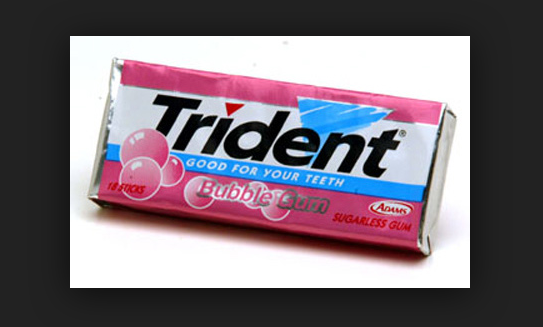
There is no reason for toddlers to chew gum. While your toddler’s body is growing it is important to provide lots of opportunities for them to eat nutritious foods. Pediatric dentist, Dr. Cameron Fuller suggests, “Fruits, vegetables and healthy snacks are a better alternative to a stick of gum loaded with sugar.” Fruits and vegetables help remove food that may become stuck to the teeth, by creating extra saliva to rinse away food.  Also gum is a choking hazard for young toddlers. Young children who are unable to understand the concept of gum may swallow it, and it can become lodged in their throat depending on the size of the piece. They may not know or understand what purpose gum serves, leading them to repeatedly swallow gum, which can cause stomach issues, gas or jaw problems.  The part of gum that makes it sticky is not digestible. If a child is chewing gum and swallows too much of it, it will remain in the digestive tract and can cause childr...

5 Dental Facts You Need To Know For Your Kids

 Now that you’re a parent you are confronted with new things. Here are five dental facts about your baby and their teeth, which can help you decipher all the information coming your way.  Brushing baby’s first tooth is as important as brushing your own. Tooth decay can occur when milk or other sugary liquids say on a baby’s teeth. If decay sets in when a baby is young it can impact their permanent teeth. 2.      Your baby should visit the dentist once their first tooth comes in. In order for any problems to be diagnosed initially it is important to make sure your baby visits the dentist regularly and builds a positive relationship as soon as possible. This will help set the stage for your daughter or son, as they grow older. 3. “Your child’s baby teeth hold the place for their permanent teeth,” advises Dr. Fuller . If your child loses a tooth because of trauma or a fall it is important to visit the dentist r...

Bottle Tooth Decay Do’s And Don’ts

Image
 Bottle rot can impact your child’s baby teeth and have critical long-term effects on their adult teeth as well. When putting your child down for a nap,” Dr. Cameron Fuller suggests, “never putting them down with a bottle.” The milk they drink sits on their teeth and stays. The longer milk is on the teeth the better chance is has of producing bacteria that turn into acid, which then attacks the enamel of your son’s or daughter’s sensitive baby teeth.   Also, saliva amount decreases when your child is sleeping and therefore, there is a decrease in the amount of liquid that can help rinse the milk off their teeth.   Never dip the tip of the bottle in sugar or syrup. While, this may seem like a great idea if your baby is fussy and refusing a bottle, it actually increases the amount of bacteria producing acid.   Dr. Fuller of Pediatric Dentistry of Redlands and Associates recommends that parents not fill the bottle with sugary drinks or juice.   W...

The Facts About Bottle Tooth Decay

Image
“Bottle rot or baby bottle tooth decay is caused when milk sits on your baby’s teeth for an extensive amount of time,” says pediatric dentist, Dr. Cameron Fuller. Milk and other sweet liquids have sugar in them.   The sugar turns to bacteria, which then convert to acid, and the acid attacks the enamel. Although, your child’s teeth may be below the gum line, they can still be impacted by early habits     Bottle tooth decay occurs more often on the top front teeth, however decay can impact any teeth if not taken care of or if good bottle habits are not developed from an early age. If your child has decay from bottle rot it is important to take care of the problem right away, as leaving the decay in their mouth can impact them in multiple ways including creating pain, a decrease in overall health and it could even result in tooth extractions. While baby teeth may not seem important, if your child does not have a healthy mouth it can cause problems for...

The Impact of Milk on Your Child’s Teeth

Image
Tooth decay occurs when food or milk is left on the teeth for a period of time. The longer milk is left on the teeth, the more acid is created in the mouth. Plaque on the teeth eats away at the tooth enamel. Although, milk is a great source of calcium, you want to teach your child to brush their teeth after consuming a glass of milk. You will also want to avoid leaving a bottle in your baby’s crib. As infants suck on the bottle, the milk stays on the teeth overnight. This twelve-hour time frame allows for an exponential amount of plaque and acid to attack your child’s teeth.             Dr. CameronFuller, your Redlands, California Pediatric Dentist recommends, “After your baby has drank some milk, if they are under a year old, use a baby toothbrush and brush the gums to remove any milk from the surface. Once teeth come in, gently brush the teeth in circles after your child has consumed anything other than water.” ...

Are you confused by all of the research on fluoride?

Image
  Are you confused by all of the research on fluoride? There is good and bad to everything, and there ’ s an appropriate amount of fluoride that's appropriate and then there ’ s too much. Read more to get the facts about fluoride and find out why this may be critical for your child ’ s teeth. Fluoride is a mineral found in soils, plants, and water supplies in varying amounts. This helpful substance is found in oceans, lakes and other water sources. Fluoride helps your body fight off disease and, it also fights tooth decay.   This substance is already a natural part of your enamel and according to Edmond L. Truelove, D.D.S.,   chair of the Council on Scientific Affairs , "approximately 25 percent of children have or had cavities before entering kindergarten, so it ’ s important to provide guidance to caregivers on the appropriate use of fluoride toothpaste to help prevent children from developing cavities." Too much of a good thing! We ’ ve heard it...